BREAKING NEWS: Washington National Rising star Dylan Crews has Invest $7.8 million to Transform houses into shelter for homeless youth in….see more
 In a bold and compassionate gesture that has quickly made national headlines, Washington Nationals outfielder Dylan Crews has announced a transformative initiative aimed at combating youth homelessness in the D.C. area. The 22-year-old phenom and top MLB prospect revealed Monday that he is personally investing $7.8 million to convert vacant and abandoned houses into modern, supportive shelters for homeless youth.
The initiative — officially titled the “Home Run for Hope Project” — is Crews’ first major philanthropic venture since being drafted second overall by the Nationals in 2023. With the investment, Crews intends to fund the rehabilitation of more than 30 properties throughout Washington, D.C.’s most underserved neighborhoods, including Anacostia, Deanwood, and parts of Northeast and Southeast D.C.
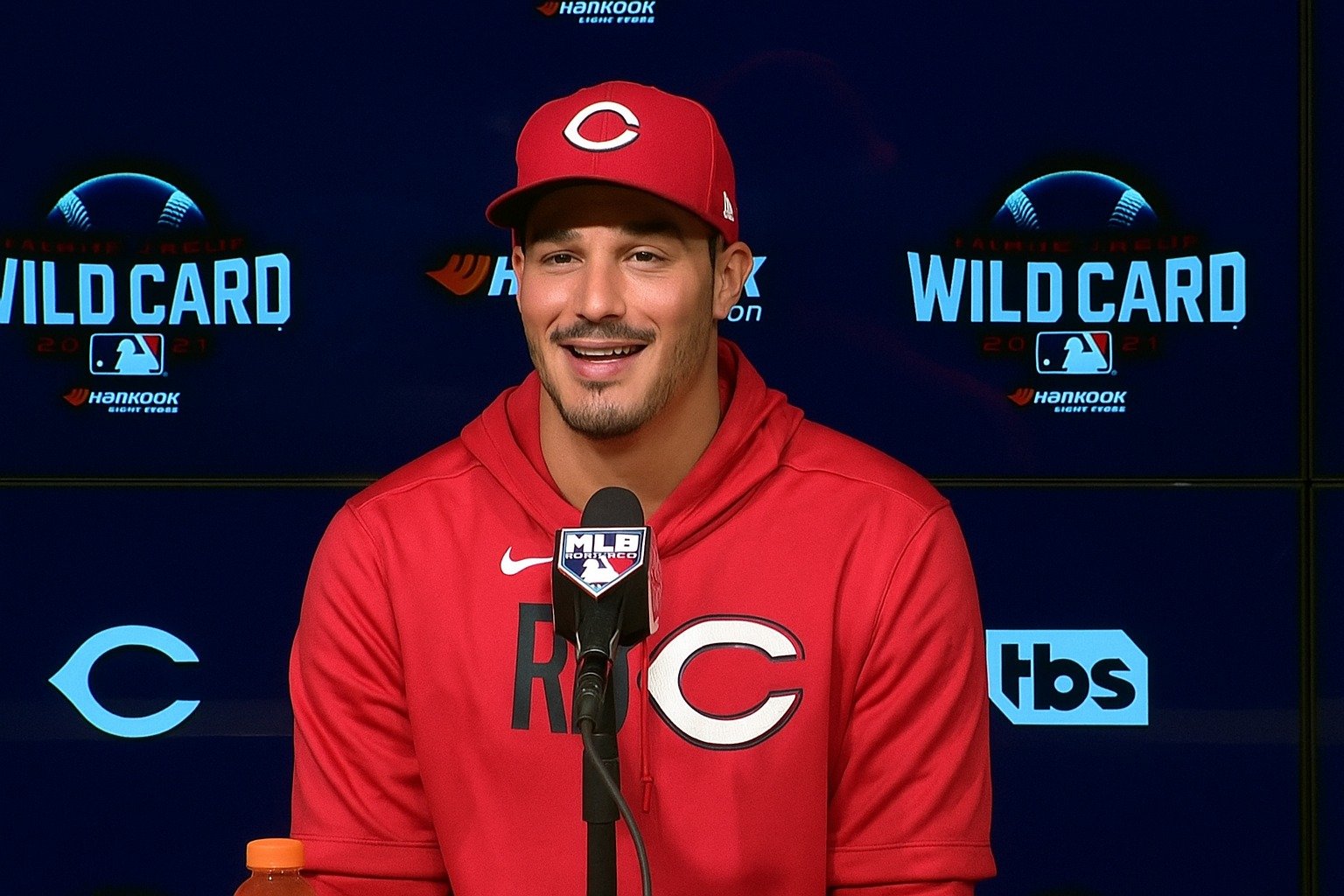
“Baseball gave me a platform, but giving back gives me purpose,” Crews said at a press conference held at Nationals Park. “I’ve been incredibly blessed, and now it’s time to pay it forward — to help give young people the same chance at stability and success that I’ve been fortunate to have.”
A Grand Slam for the Community
According to statistics from the U.S. Department of Housing and Urban Development, over 6,000 youth in the greater Washington area experience homelessness each year. Many come from backgrounds marked by abuse, family instability, foster care transitions, and economic hardship. The “Home Run for Hope” program aims not just to put a roof over their heads, but to empower them with the tools to build lasting independence.
Each shelter will include private living quarters, shared community spaces, full-time case workers, education counselors, job readiness programs, mental health support, and recreational amenities.
“We are not creating shelters — we’re building pathways,” Crews said. “This is about more than a bed. It’s about giving these kids dignity, direction, and hope.”
The properties targeted for redevelopment are a mix of city-owned vacant homes and tax-delinquent properties. Crews’ team is working in partnership with the D.C. Department of Housing and Community Development, as well as local nonprofits like Covenant House Greater Washington and DC Action for Youth, to secure the necessary permits, labor, and case management staff.
Why Dylan Crews?
Known for his explosive bat, defensive agility, and poise beyond his years, Crews has been a rising star in the Nationals organization since his breakout season at LSU and rapid climb through the minor leagues. But those who know him say his commitment to community goes back much further.
“Dylan has always had a heart for service, even back in Baton Rouge,” said Chris Conte, a former LSU assistant coach. “He understands the privilege that comes with professional sports, and he never wanted to be someone who just played — he wanted to make a difference.”
Crews has spoken candidly in the past about how witnessing poverty and homelessness in cities he played in during college opened his eyes to systemic issues.
“It stays with you when you see kids your age, or younger, struggling to survive on the streets,” Crews said. “I made a promise to myself: if I ever had the means, I’d do something about it.”
The Public Reacts
The response to Crews’ announcement has been overwhelmingly positive, with teammates, fans, and city leaders praising the young outfielder’s leadership and generosity.
Nationals manager Dave Martinez called the gesture “a home run for humanity,” adding that “Dylan is setting an example for every player — not just in how to compete, but in how to care.”
Teammate CJ Abrams tweeted: “Respect to Dylan. This is what using your platform for good looks like. Proud to call you my teammate.”
Even rival players joined in the praise. Phillies outfielder Nick Castellanos said, “This is bigger than baseball. Dylan Crews is already an All-Star off the field.”
Washington, D.C. Mayor Muriel Bowser issued a statement calling Crews “a true leader and role model for the youth of our city.”
Plans and Timeline
The “Home Run for Hope Project” is expected to launch in three phases over the next 18 months:
Phase 1 (Summer 2025): Begin renovations on 10 properties in Wards 7 and 8
Phase 2 (Early 2026): Expand to 12 additional homes across Northeast and Southeast D.C.
Phase 3 (Late 2026): Add services such as mobile healthcare units, digital learning labs, and transportation assistance
In addition to his initial $7.8 million investment, Crews has pledged to contribute a portion of his future MLB earnings toward a sustainability endowment fund, designed to ensure that services remain operational beyond the first five years. The project’s foundation will also accept private donations, corporate sponsorships, and public grants.
The Broader Impact
Experts in urban development and youth advocacy have hailed the project as a model of athlete-led philanthropy with lasting, systemic goals.
“This isn’t just a feel-good story. This is economic revitalization, housing justice, and youth advocacy all rolled into one,” said Dr. Angela Stewart, a professor of social policy at Georgetown University. “Dylan Crews is showing how athletes can be architects of real change.”
In neighborhoods where the properties are located, community leaders have also expressed optimism. Wanda Jenkins, who runs a community garden near Congress Heights, said, “These homes were once symbols of decay. Now, because of Dylan, they’re going to be symbols of hope.”
Crews’ Vision Beyond Baseball
Though Dylan Crews is still early in his MLB journey, it’s clear that his impact is already being felt far beyond the outfield grass at Nationals Park.
“If my career ended tomorrow, I’d still want to be remembered for this,” Crews said. “Wins are great. Championships are better. But helping someone find their future? That’s the real legacy.”
Crews has plans to remain actively involved in the project, meeting regularly with residents, hosting youth mentorship clinics, and integrating the program with Nationals community outreach events.
“They may be moving into my shelters, but I’m the one learning from them,” he said. “They’re the strongest, most resilient people I’ve ever met. I’m just trying to help them get to where they want to go.”